Street-Corner Espresso Economics, Unfiltered

Today we dive into the microeconomics of urban street coffee vendors, following the steam, spreadsheets, and small decisions behind each cup. From costs and queues to location games and loyalty stamps, discover how grit and data shape sidewalk espresso. Share your cart-side stories, questions, and tips to keep this conversation brewing, and tell us how pricing, lines, or weather changed your own purchase decisions during a hurried commute.

What Drives the Cost of a Cup

Behind a perfect shot pulled beside a crosswalk sits a layered cost stack: beans, milk, cups, lids, fuel, machine depreciation, permits, and the precious minutes of the barista. Each decision shifts marginal cost and margin. Understanding which costs are fixed, which are variable, and which are surprisingly hidden helps explain prices that move by corners, hours, and neighborhoods, revealing how a sidewalk business survives on cents saved without sacrificing taste or speed.

Demand in Motion: Commuters, Weather, and Events

Demand for street coffee pulses with pedestrian flows. Mornings surge with commuters who value speed and consistency, while afternoons drift toward slower sippers and snack pairings. Weather shifts willingness to wait and drink preferences, with hot days favoring iced options and cloudy mornings lifting steam-heavy aromas. Events can triple footfall in minutes, yet vanish just as fast. Reading these microcycles transforms yesterday’s sales log into tomorrow’s winning position, price tweaks, and smarter inventory packing.

Morning Peaks and Afternoon Plateaus

The first two hours after trains arrive can set the entire day’s revenue. Customers trade money for minutes, rewarding carts that handle orders with comforting predictability. Midday brings plateaus where stories and samples matter more than raw speed. Smart vendors shift focus: promote a pastry combo, trial a seasonal syrup, or greet regulars by name. By mapping demand elasticity across the clock, carts capture early spikes and nurture quieter, relationship-rich afternoons with genuine warmth.

Rain, Heat, and the Aromatic Umbrella Effect

Rain can reduce total foot traffic yet increase conversion among passersby who find the aroma irresistible under a shared umbrella. Heat reshapes choice sets toward iced coffee, cold brew, and oat milk foam. A small tweak, like insulated sleeves or a misting bottle, alters perceived comfort and wait tolerability. Weather responsiveness is a price lever, too: promoting a rain-day loyalty stamp or sunny-hour discount nudges hesitant buyers, ensuring the cart thrives even as clouds roll unpredictably.

Event Spillovers and Micro-festivals

Street fairs, gallery openings, and pop-up markets create temporary micro-economies where buyers are more open to discovery and indulgence. Vendors who anticipate exit flows capture warm, cheerful groups ready for a final espresso before heading home. Inventory planning must respect variance, protecting against both sell-outs and waste. A quick chalkboard special, a limited-edition roast, or music that signals celebration helps transform passing footfall into joyful, memorable purchases that carry stories back to friends and coworkers.

Location Games and the Sidewalk Hotelling

Corners, Crosswalks, and Eye Contact Radius

A few meters matter. Corners multiply angles of approach and offer micro-pauses as pedestrians wait for lights. Positioning the signboard within natural eye lines increases spontaneous orders without aggressive hawking. Elevating the machine slightly helps showcase crema, turning production into theater. Vendors test placements weekly, tracking conversions. Subtle details—standing on the windward side, avoiding glare, respecting flow for strollers—compound into smoother operations and friendlier vibes that neighbors protect when enforcement officers stroll by curiously.
Coexistence with Brick-and-Mortar Cafes

A few meters matter. Corners multiply angles of approach and offer micro-pauses as pedestrians wait for lights. Positioning the signboard within natural eye lines increases spontaneous orders without aggressive hawking. Elevating the machine slightly helps showcase crema, turning production into theater. Vendors test placements weekly, tracking conversions. Subtle details—standing on the windward side, avoiding glare, respecting flow for strollers—compound into smoother operations and friendlier vibes that neighbors protect when enforcement officers stroll by curiously.

The Power of Smell and Sound as Beacons

A few meters matter. Corners multiply angles of approach and offer micro-pauses as pedestrians wait for lights. Positioning the signboard within natural eye lines increases spontaneous orders without aggressive hawking. Elevating the machine slightly helps showcase crema, turning production into theater. Vendors test placements weekly, tracking conversions. Subtle details—standing on the windward side, avoiding glare, respecting flow for strollers—compound into smoother operations and friendlier vibes that neighbors protect when enforcement officers stroll by curiously.

Pricing, Menus, and Willingness to Pay

A sidewalk menu works best when it frames choices clearly, enabling second-degree price discrimination without confusion. Sizes, alternative milks, and flavor add-ons nudge customers to self-select into higher-margin options. Bundles with pastries or loyalty stamps smooth awkward coin changes and encourage repeat visits. Ethical, transparent dynamic pricing can reflect costly event hours without alienating regulars. Above all, consistent quality ensures buyers feel value exceeded price, turning a daily transaction into a tiny, reliable ritual worth returning to.

Versioning Without Confusion

Offer three sizes, not seven. Keep core choices visible and legible from five meters away, so a distracted commuter can decide by the time they reach the front. Add-ons should feel optional, not pushy. Clear differentials—stronger shot, alternative milk, or premium single origin—let buyers express preference and budget without friction. Simple menus reduce order time, diminish errors, and subtly lift average order value as customers glide confidently toward the option matching mood, wallet, and morning schedule.

Bundles That Travel Well

A croissant and cappuccino combo can anchor margins if it is portable, tidy, and fast to hand over. Test the paper sleeve fit, crumbiness, and temperature retention for walks of five blocks. Bundles are not just discounts; they are convenience guarantees. Rotating pairings—granola bar on marathon mornings, citrus loaf for heat waves—signal thoughtfulness. By solving two problems at once, hunger and caffeine, bundles reduce decision fatigue and justify slightly higher prices without triggering resistance or regret.

Loyalty, Stamps, and Soft Price Discrimination

Punch cards and QR stamps reward frequency without broadcasting lower prices to everyone. Regulars feel seen, and vendors gain smoother demand across days. A free espresso after nine purchases keeps customers within the orbit even when a new café opens nearby. Loyalty also becomes a feedback channel: ask what syrup should return next month or which oat brand foams better. Soft price discrimination works best when it feels like friendship, not math, strengthening bonds with gracious predictability.

Beans, Roast, and Grind Consistency on the Go

Cart conditions shift hourly, so grind must adapt: a touch finer on cold mornings, a little coarser during hot rushes. Vendors track shot times like athletes track splits, aiming for stable extraction despite drafts and jostles. Partnering with roasters who provide roast curves and quick replacements safeguards flavor. Small airtight canisters, labeled with times opened, maintain aromatics. Consistency feels like luxury outdoors, and it is achieved through tiny, repeated adjustments that customers taste without noticing consciously.

Milk, Oat, and the Cold Chain Puzzle

Dairy reliability is a logistical ballet. Insulated coolers, frozen gel packs, and disciplined rotation prevent surprise spoilage during traffic jams. Alternative milks demand different steaming cues; oat can split if overheated, while almond prefers gentler stretching. Clear labeling avoids mix-ups in the rush. Testing lids for slosh resistance and foam stability ensures a latte arrives intact after a brisk walk. Protecting the cold chain is invisible work that customers only notice when it fails, so it must not.

Waste, Reuse, and Margins Saved per Gram

Every gram of coffee wasted erodes profit. Dialing in quickly, purging minimally, and pre-weighing doses for peak hours reduces loss without slowing service. Refillable canisters, compostable grounds with local gardens, and discounts for reusable cups demonstrate values that resonate with urban buyers. Tracking waste categories for a week often reveals surprising culprits, like drips from overly fast spouts. Each tiny fix recovers cents that compound into rent, repairs, or a rainy-day fund when storms linger.

One Pair of Hands, Many Micro-decisions
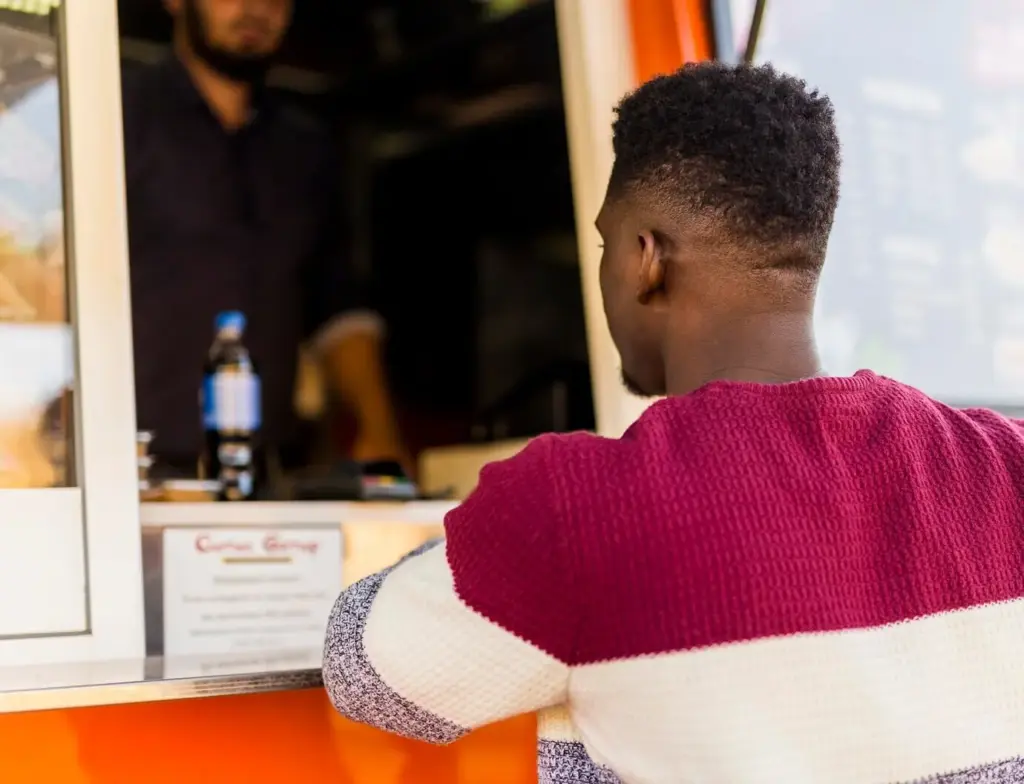
From purging the grouphead to sequencing milk before shots, each decision reshapes wait times. Experienced vendors develop a cadence: take two orders, steam one milk pitcher for both, pull shots back-to-back, then lid and hand off with eye contact. This rhythm shrinks idle seconds. Micro-decisions about when to pre-fill syrups or restock lids during lulls lock in smoother peaks. The work feels like jazz—structure, improvisation, and listening closely to the crowd’s shifting tempo.

Queue Psychology and Displayed Speed

People judge waits by fairness and visible progress. A clear single line, a friendly nod acknowledging newcomers, and a small sign stating typical wait times turn uncertainty into patience. Displayed speed—purposeful movements, organized tools, and neat counter space—convinces observers their time is respected. Occasional samples or quick banter transform waiting into connection. When a vendor narrates steps with confidence, customers feel the craft and forgive small delays, rewarding transparency with tips and repeated morning visits.
Vuvutefaratekozapefe
Privacy Overview

This website uses cookies so that we can provide you with the best user experience possible. Cookie information is stored in your browser and performs functions such as recognising you when you return to our website and helping our team to understand which sections of the website you find most interesting and useful.